Reimagining Calm - a Headspace redesign
that removes the headache for the frustrated meditator.
Client
IronHack Project
TIMELINE
5 Days
Tools
Figma, Attention Insight, Talkwalker
Role
Solo UX/UI Designer

The Brief
Headspace helped millions of people discover stillness, but the same bold, energising identity that made it so welcoming gradually becomes the obstacle for users trying to calm down. The brief was self-initiated: redesign Headspace to reduce the friction standing between the user and their calm.
This was a solo UI redesign project, from competitive analysis and heuristic evaluation through to a high-fidelity prototype built to Apple UI standards, completed as part of IronHack bootcamp project.
Research over Instinct
Social listening across 30+ platforms confirmed that colour and controlled light movement induce calm states, grounding every design decision in user psychology rather than merely aesthetic preference.
Design Process
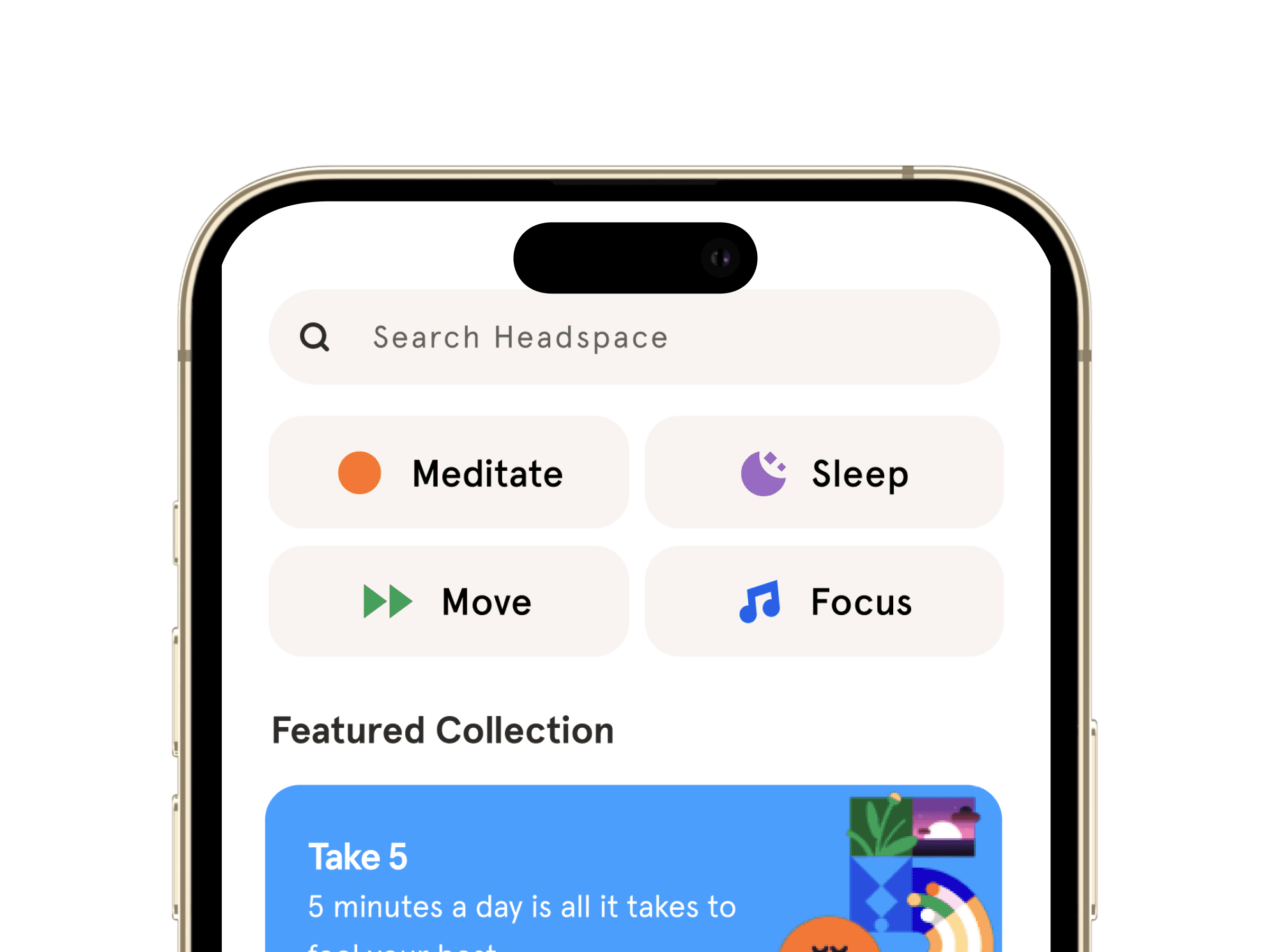
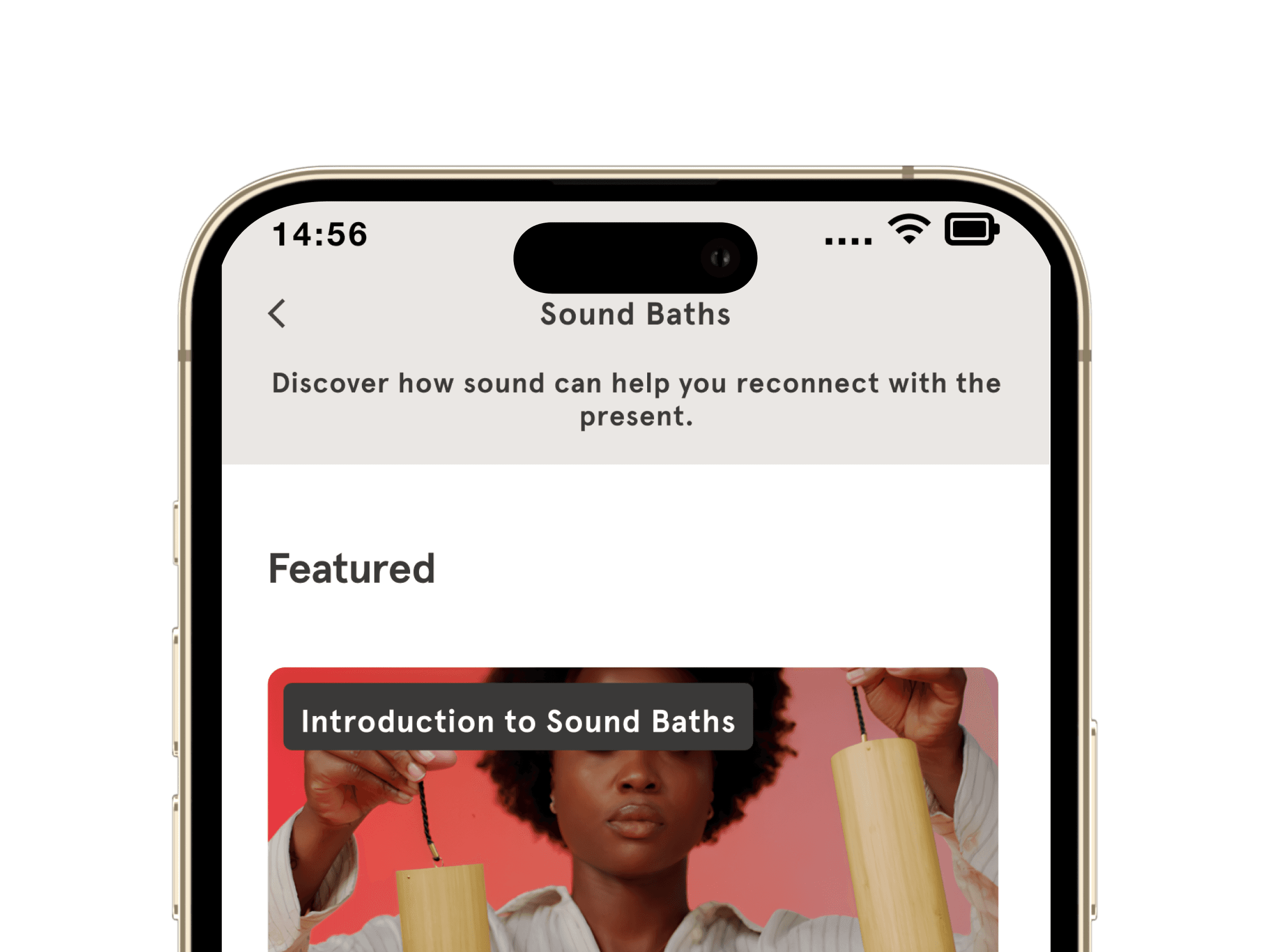
An audit of Headspace version 3.410.0 on iPhone 11 surfaced 3 critical violations, each pointing to a different layer of the same problem: the app was creating friction before a user ever reached the content they came for. Heuristic Violation No. 1 [Consistency and standards] Navigation labels and interaction patterns didn't behave the same way across screens, and for experienced users who had built expectations of the app, those small inconsistencies quietly eroded trust in the interface. Heuristic Violation No. 2 [Recognition over recall] The search feature returned empty results with no dropdown, no suggestions, and no indication that the content existed in the app, with no clear way to move forward or recover. Heuristic Violation No. 3 [Flexibility and efficiency of use] The catalog lacked clear hierarchy and groupings, requiring users to rely on memory rather than recognition to locate content, which added unnecessary cognitive load to an experience designed to reduce it.
Mapped 4 visual territories:
Calm meditation app owns traditional
Open app occupies sensual
Rebranded Medito defines minimalist
Headspace dominates maximalist
Design Decisions
The heuristic evaluation shaped 4 design decisions, 3 tied directly to the violations and one that came from a mid-project pivot on the visual direction.
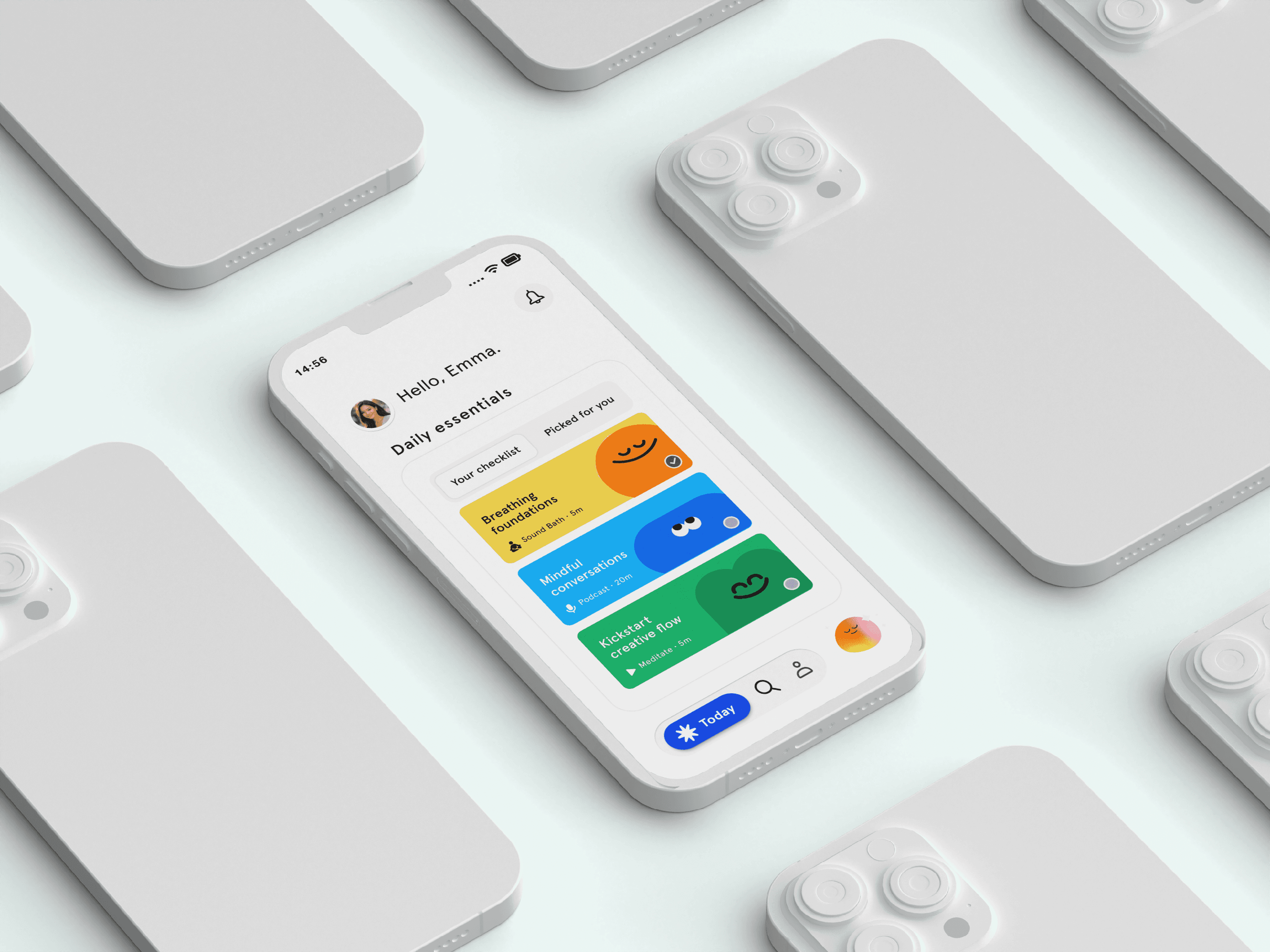
[Visual Language] The redesign aligned with new Apple UI interface while honoring the original Headspace identity, bringing a refined aesthetic that felt familiar but noticeably calmer.
[Home Screen] Progressive disclosure was applied to the home screen to surface priority content first and reveal depth only on interaction, reducing the visual overwhelm.
[Catalogue Screen] Miller's Law and the Serial Position Effect were applied to reorganise the catalog into navigable content groups, anchoring key items that directly reduced cognitive overload.
[Search Screen] Redesigned using information architecture principles to ensure every query returns with related content, suggested programs, and curated starting points, unblocking users from the next step.
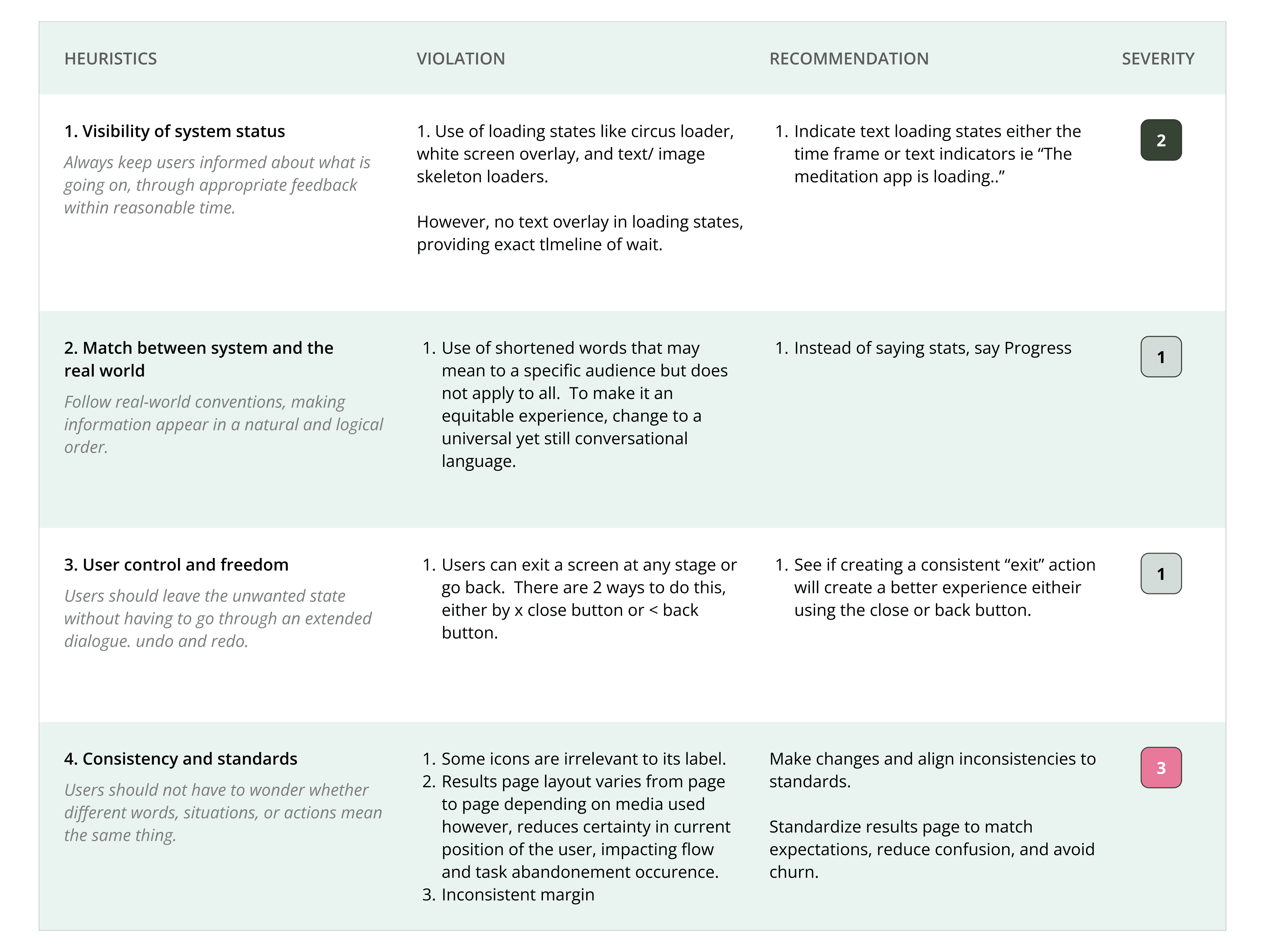
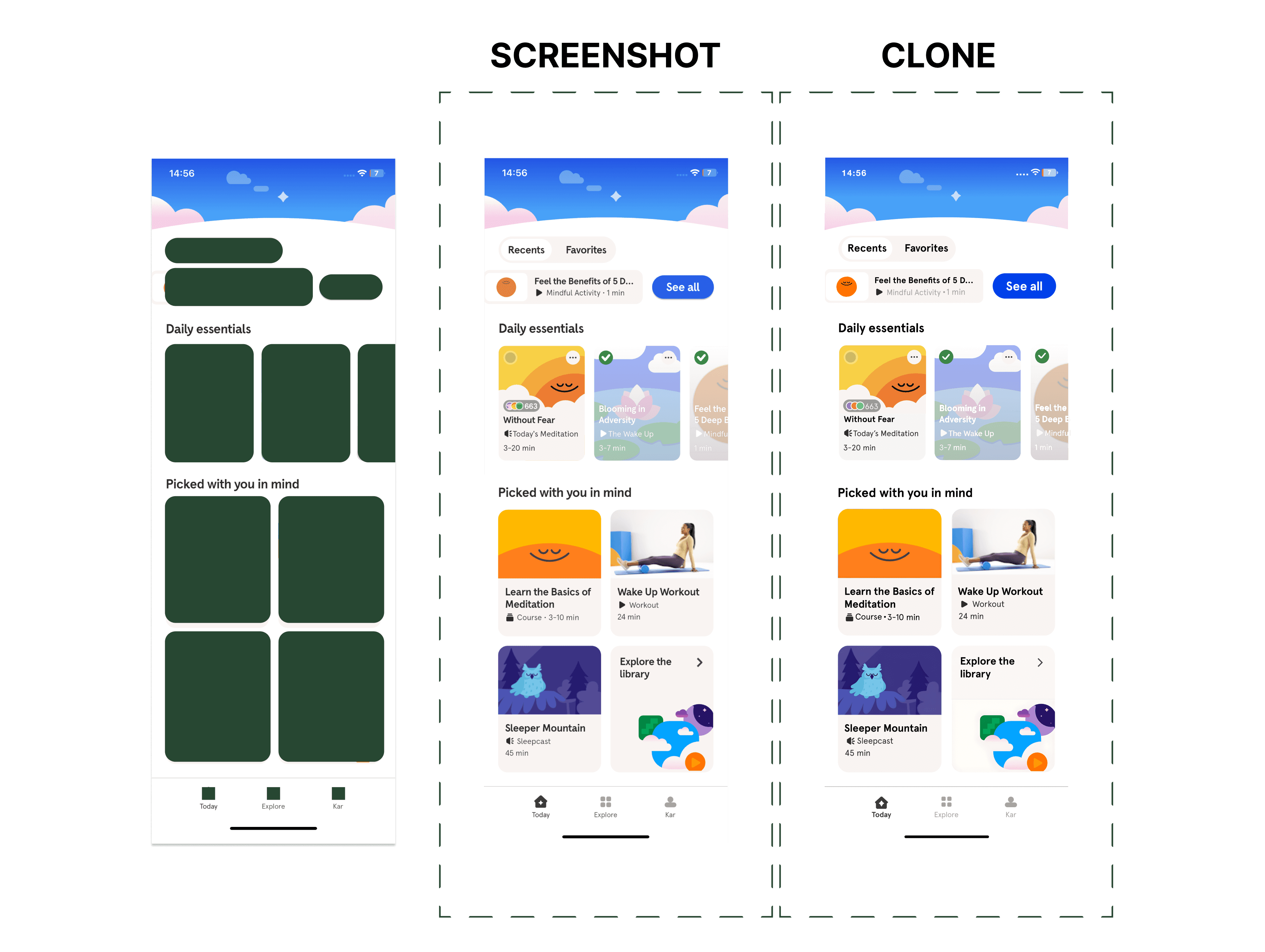
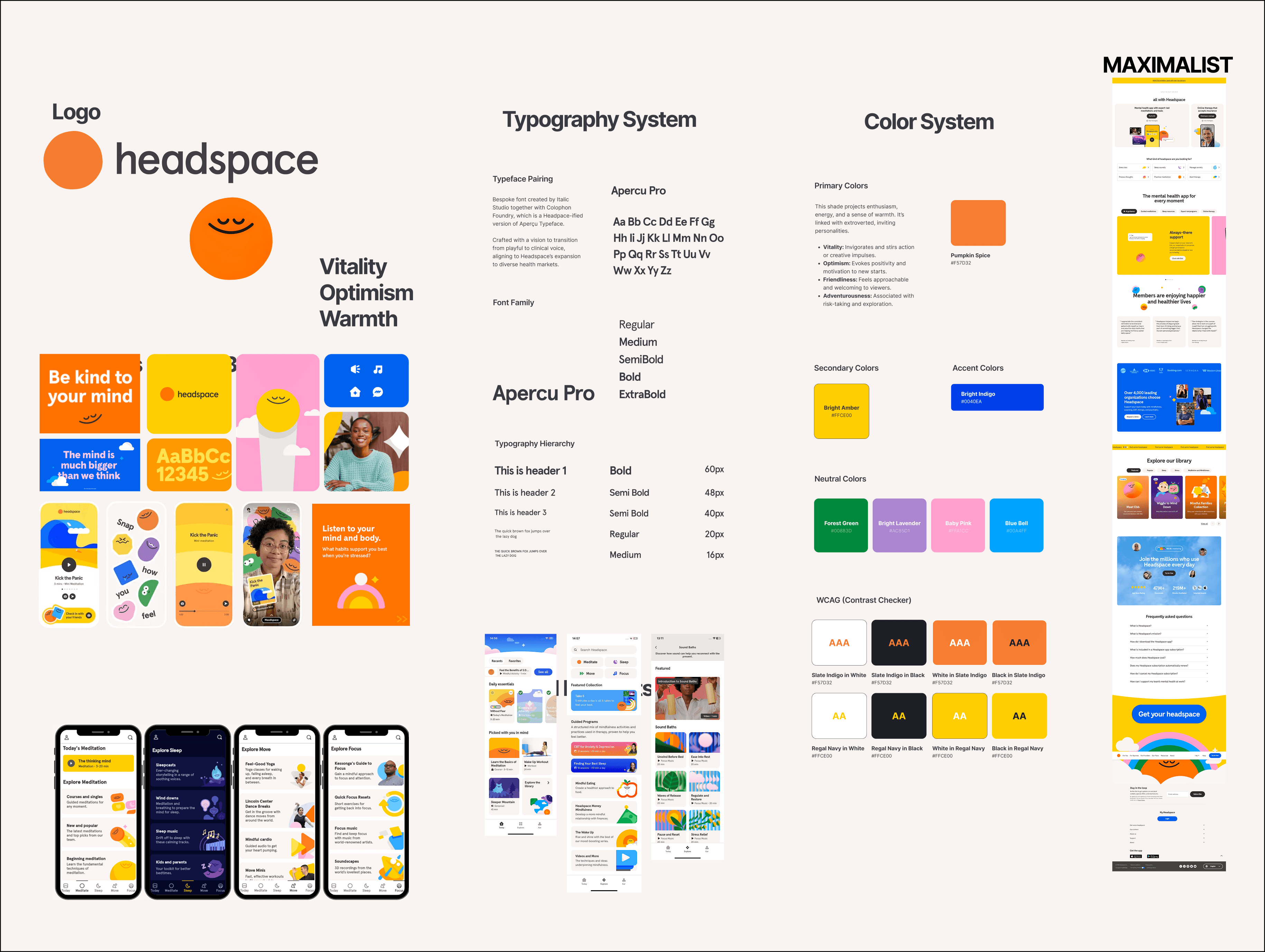

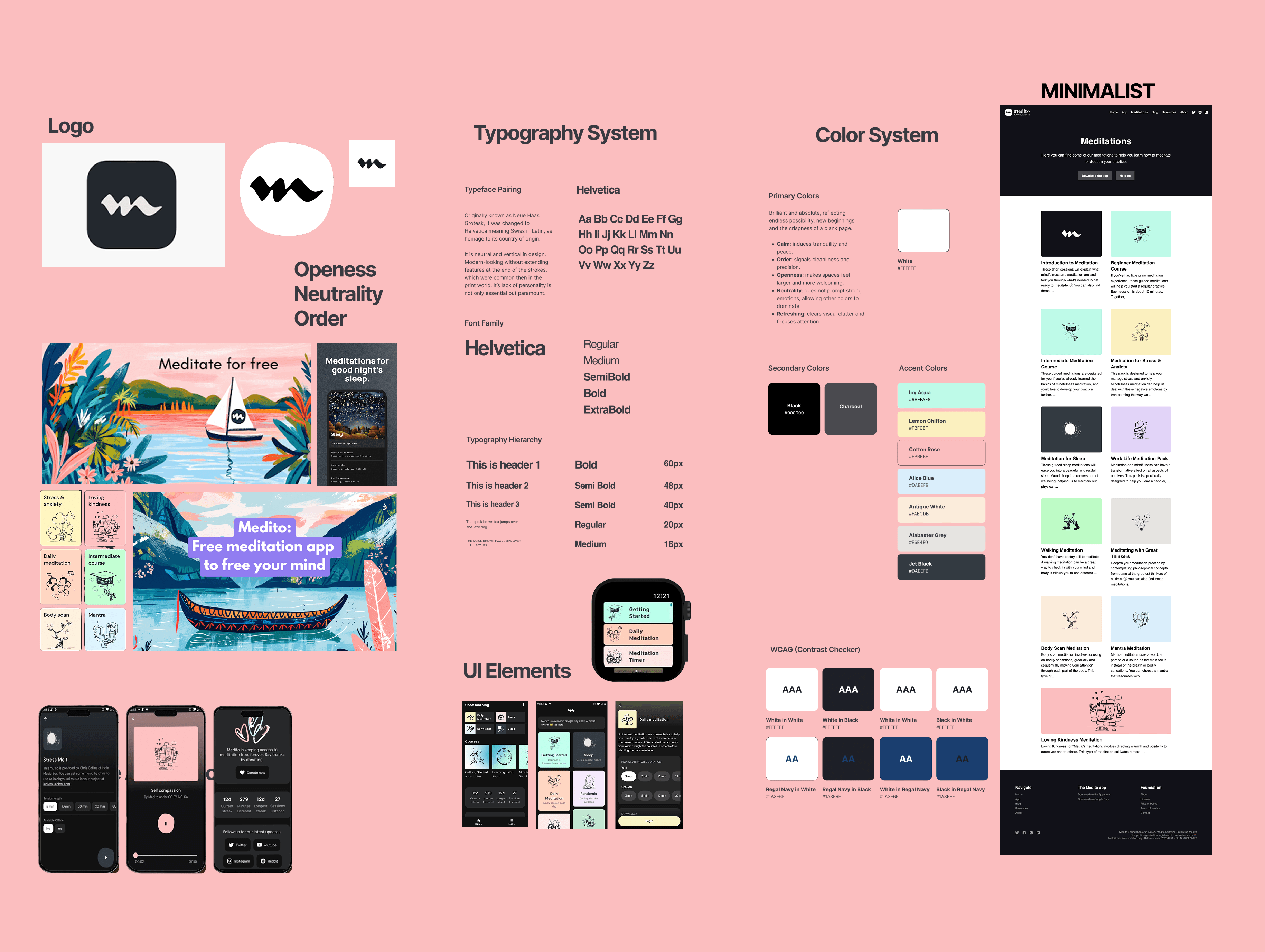
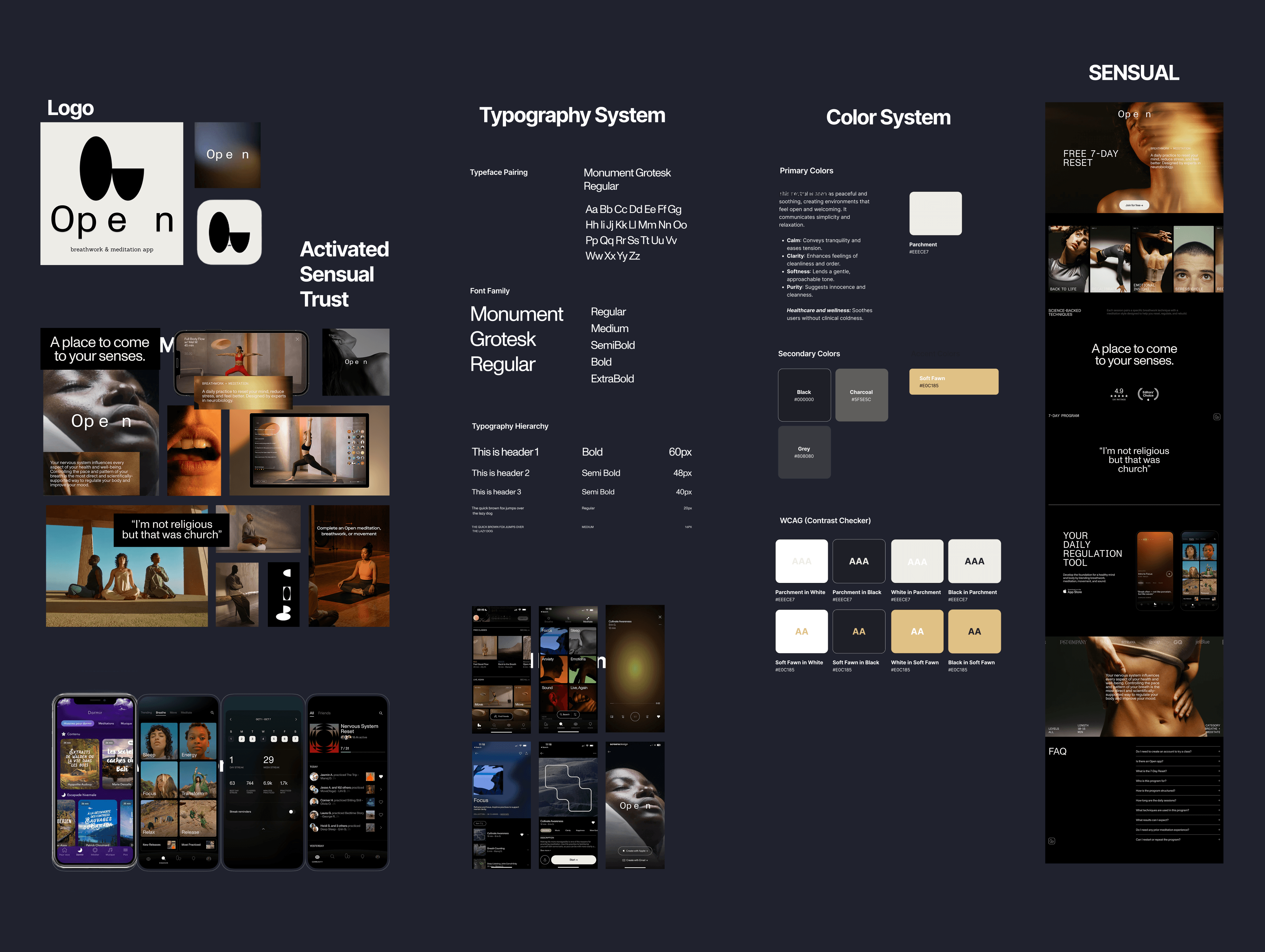
Artifacts I developed across this project include a heuristic analysis, home page design clone, style tile, and visual competitive analysis.
Project Outcome
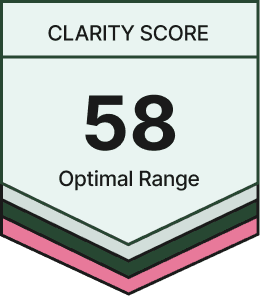
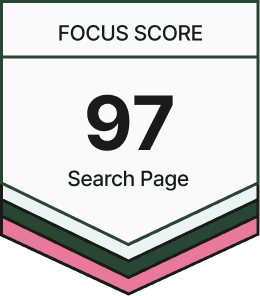
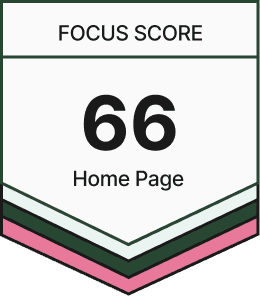
The redesigned screens were validated using Attention Insight, with the home screen achieving a Clarity Score of 58, placing it within the Optimal Clarity range (57-94), which measures how visually clean and easy to process a design is for a first-time viewer based on text density, contrast, and colorfulness. Focus Scores across all three screens came in at 66 on the homepage, 97 on search, and 60 on the catalog, confirming that attention is landing on the right areas.
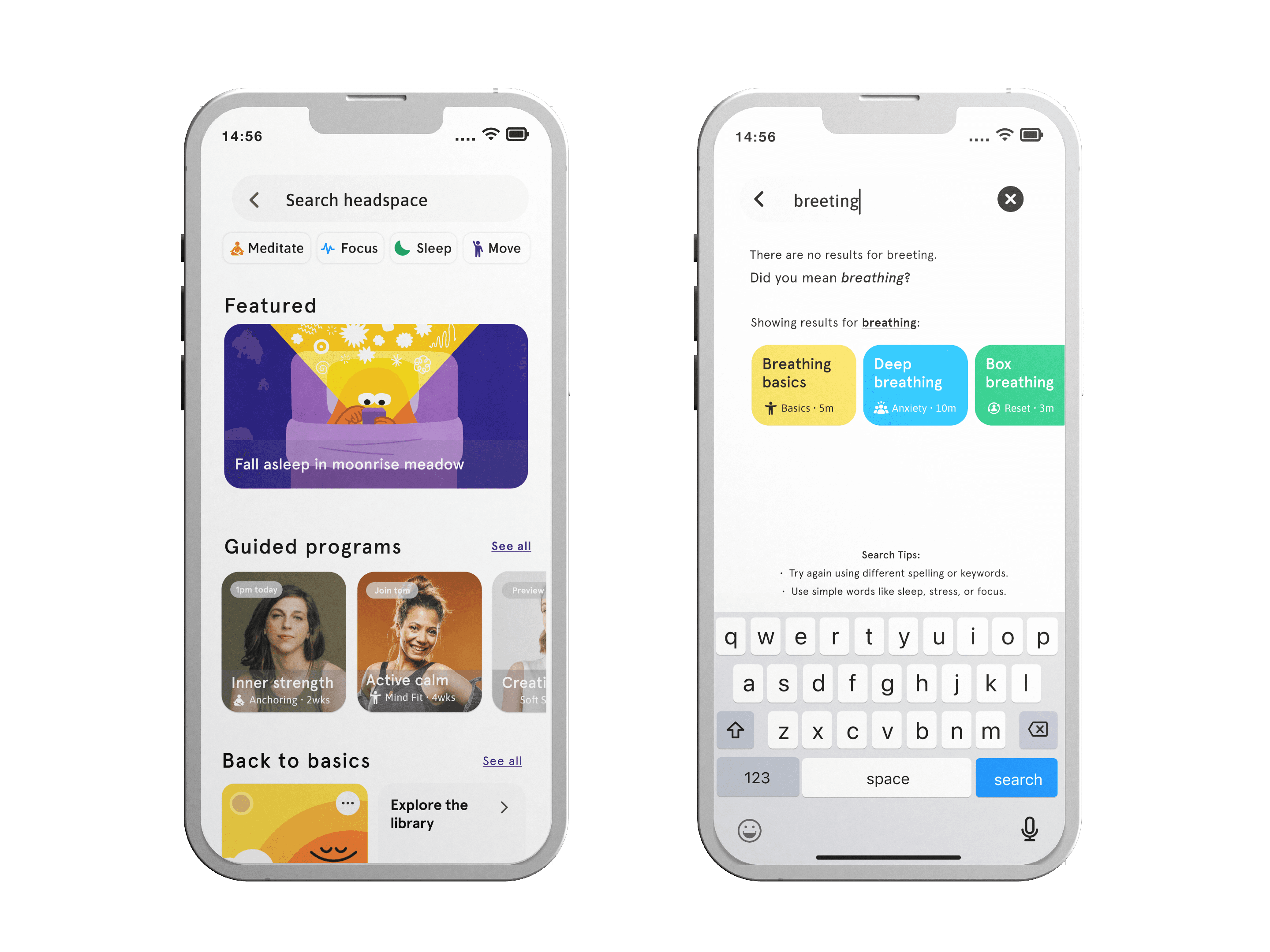
Given more time, I would refine the visual design and test whether muted colours match the calm users expect in a meditation app.